Wednesday, May 29, 2013

The Lady of Susa: Reconstructing the clothing of Achaemenid Persia (Part 2)

Our project starts with humble beginnings.


The foundation wear.

There's little historical sources on the undergarments of women of the era, but then again, there's few depictions of women. However, the one mention on the subject from the Encyclopaedia Iranica stated that, like their outerwear, it was very similar to their male counterparts,  and by my own assumption possibly with a few adjustments to accommodate female support.

Friday, May 17, 2013

The Lady of Susa: Reconstructing the clothing of Achaemenid Persia (Part 1)

Today begins my first post, and consequently, project on this blog. I hope I can manage to not disappoint.

For those of you who don't know, our previous blogger/researcher/page manager is a bit busy with, well, life. That's how she put it anyhow, I'm not sure how much she wishes to tell, so I'll keep my mouth shut.

Anyhow, I'm going to start off things in a manner a bit, how do I say, overly ambitious.

Yes, that's how I'll describe this project.

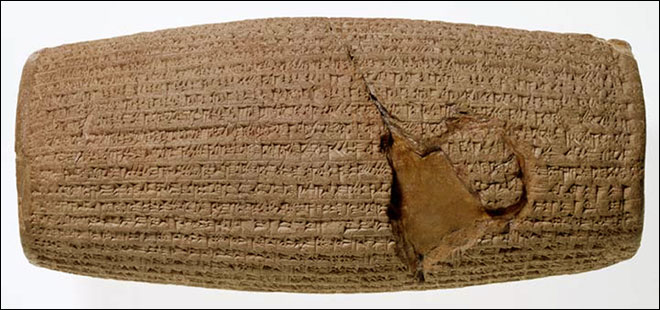
As those of you who already follow our page may know, the Cyrus Cylinder is arriving in Los Angeles to be on view at the J. Paul Getty Museum this Autumn.

The Cyrus Cylinder, image via

Friday, March 22, 2013

Norooz 1392

The Persian New Year has come and passed.

Sorry, I wanted to write about it beforehand, but let's face it, that's like writing about Christmas during the Christmas season.... Just too hard to do from all the busy!

Anyhow, I intend to rectify the fact now by sharing some pictures and a little of what's been going on here.

Norooz in a Sassanian gown; this is from last year, at my cousin's house.

Sunday, March 3, 2013

Mehndi Madness

Warning: This post does contain nudity. What can I say, Qajars loved ladies' adornments.

All the previous posts about Mughal India and dancing girls, and mehndi was completely overlooked.

So here's a little bit about mehndi, or as we call it in Iran, henna.

 Image via... well, National Geographic... Says so right there.;)

Wednesday, January 23, 2013

Khaaneh ye Doost Kojast?

Finally.... After everything seemingly going as wrong as it possibly could, I've come back home.

That sign says "Kerman". Wait, how did I end up in Kerman? That seems an awfully long way to go for pistachios, carpets, and copper. 

Friday, January 4, 2013

A Bollywood Break

NOTE:

This post was meant to be published a few weeks ago. The dress is currently being hemmed, trimmed, and the sleeves finished. That said, the progress is slow, and with only a week until it needs to be worn and finished, any further posts before the presentation are highly unlikely.
However, we will post as soon as the presentation s finished, so stay tuned!

Now, for you're enjoyment, we bring you a Bollywood Break!

A Bollywood Break

Sometimes, I really am lacking the steam to finish a project.... Like, really just bleh about it.

It happens to every costumer. Projects are frustrating, even when you have a pattern and are following it exactly and have all the extra fabric you could ever need.


Tuesday, December 18, 2012

Shab e Yalda 1391

If you've been following our Facebook page, you'll know we've been posting some (somewhat silly) videos of Christmas in the Middle East and South Asia. They've pretty much all featured a very silly interpretation of Santa Claus.

In a region of the world with a relatively low Christian population in comparison to the either Muslim, or in India's case Hindu, majority, it seems like this time of year, before the commercialization and consequent acceptance of Christmas, there wasn't much to do. (Yes, I know there's Chanukah, but that actually still is a very religious holiday that non-Jews have not adopted, and given the current strain in the region, they probably won't adopt any time soon.)

Well, for Persians though, we do have a tradition that's close to Christmas.

Shab e Yalda, also known just as "Yalda" is this Friday. It's caused some delays here in terms of sewing, but it's also given a few things to post about in lieu of the lack of sewing.

Yalda tradition extends back thousands of years as a celebration of the beginning of the end of the "darkest" days; essentially, it's celebrated on the day with the shortest daylight hours to welcome back the longer days that will be arriving. Despite being something that has been around so long, like Christmas, it really comes into it's "modern" version in the 19th century.

Image of a very simple korsi with family gathered around it by Antoin Sevruguin (gotta love this guy for all his photos!) via